
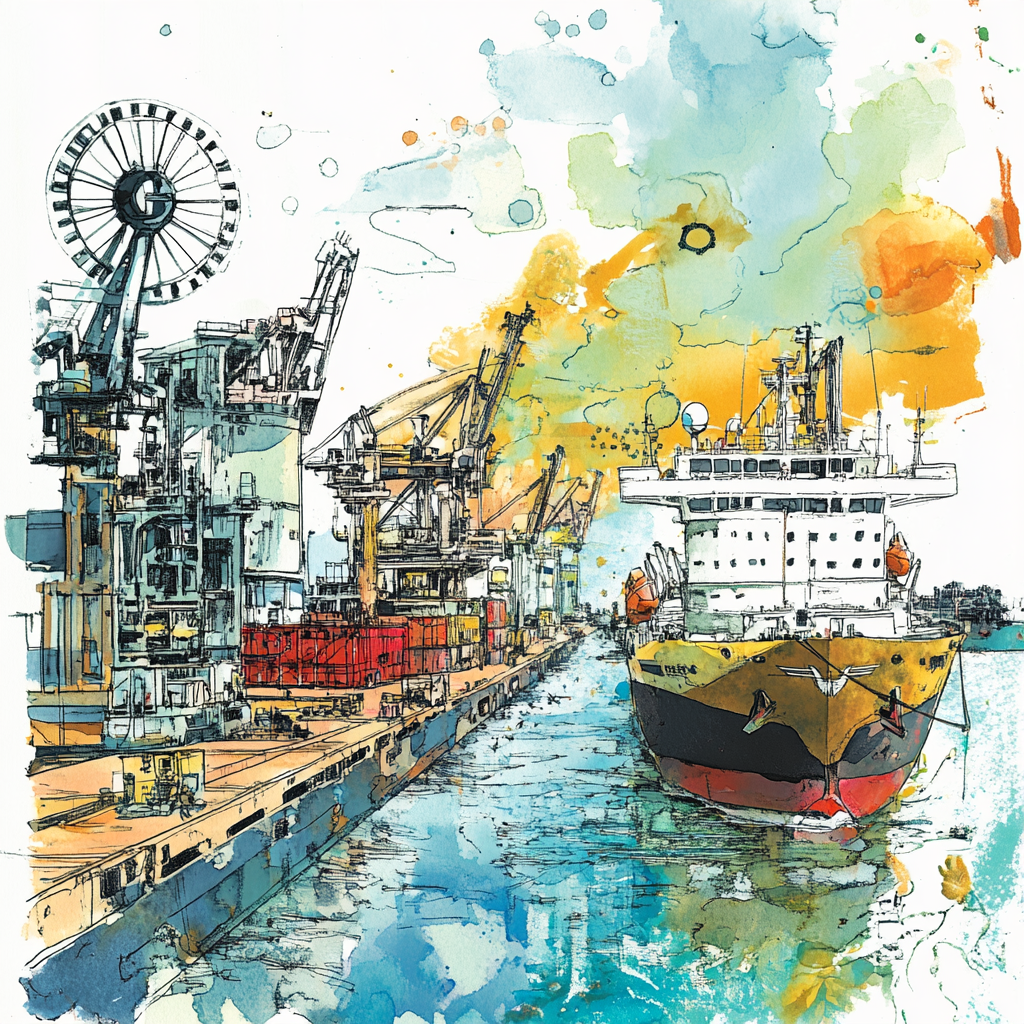

Picture a bustling port in Mombasa, where artificial intelligence algorithms are orchestrating the movement of thousands of containers with precision that was unimaginable just a few years ago. Across Africa, AI is not just transforming logistics – it’s revolutionizing the very backbone of continental trade.
The impact is profound: experts project that AI could inject up to $15.7 trillion into the global economy by 2030, with African logistics positioned to capture a significant share of this value. From autonomous vehicles navigating port terminals to AI-powered route optimization reducing both costs and carbon footprints, the technology is addressing some of Africa’s most pressing logistics challenges.
Understanding Africa’s Logistics Landscape
Africa’s logistics sector faces unique challenges and opportunities. With 54 countries, diverse regulatory environments, and varying levels of infrastructure development, the continent’s logistics ecosystem is as complex as it is dynamic. Current statistics reveal that logistics costs in Africa can be up to five times higher than in developed markets, accounting for 50-75% of retail prices.
Yet, this challenge presents an unprecedented opportunity for technological transformation. From Nigeria’s bustling Lagos Port Complex to South Africa’s sophisticated supply chains, logistics operators are increasingly turning to AI-driven solutions to overcome traditional barriers. The integration of these technologies isn’t just about efficiency – it’s about reimagining how goods move across the continent.
Key drivers of this transformation include:
- Rapid urbanization creating new delivery challenges in major cities
- Growing e-commerce demands requiring more sophisticated logistics solutions
- Cross-border trade initiatives like the African Continental Free Trade Area (AfCFTA) necessitating smarter supply chain management
The Rise of AI in African Shipping and Logistics
The maritime sector is experiencing a technological renaissance, with AI at its helm. Major shipping lines calling at African ports are deploying sophisticated AI solutions that are reshaping traditional operations:
Smart Port Operations
Ports like Tangier Med in Morocco and Durban in South Africa are pioneering AI integration in Africa. These smart ports use AI-powered systems to optimize container handling, predict vessel arrival times, and manage yard operations. For instance, Tangier Med’s smart port initiative has reduced vessel waiting times by 35% through AI-driven berth allocation and real-time tracking systems.
AI-Powered Fleet Management
Global carriers serving African routes are investing heavily in AI technology. Maersk’s partnership with Sea Machines Robotics represents more than just automation – it’s about creating intelligent vessels that can adapt to Africa’s unique maritime challenges. These systems can:
- Analyze weather patterns along African coastal routes
- Optimize fuel consumption in different operating conditions
- Predict maintenance needs before equipment failures occur
Digital Twins and Predictive Analytics
CMA CGM’s collaboration with Google Cloud is bringing advanced analytics to African shipping routes. By creating digital twins of entire supply chains, operators can:
- Simulate different scenarios to optimize routes
- Reduce fuel consumption and emissions
- Predict and prevent bottlenecks in major African corridors
The impact of these technologies is already measurable. Early adopters report:
- 20-30% reduction in fuel consumption
- 40% decrease in port congestion
- Up to 50% improvement in prediction accuracy for vessel arrival times
Environmental Impact and Sustainability
AI’s role in African logistics extends beyond operational efficiency – it’s becoming a crucial tool in the fight against climate change. With the shipping industry missing its climate goals by 165 million metric tonnes in 2023, AI offers promising solutions:
Smart Route Optimization
AI algorithms are helping vessels navigate African waters more efficiently by:
- Analyzing real-time weather data and ocean conditions
- Calculating optimal speeds to reduce fuel consumption
- Identifying the most fuel-efficient routes between African ports
Carbon Footprint Reduction
AI-driven solutions are helping African logistics operators meet sustainability goals through:
- Real-time emissions monitoring and reporting
- Automated environmental compliance management
- Smart cargo consolidation to reduce empty container movements
Green Port Initiatives
Major African ports are using AI to support green initiatives:
- Solar power generation optimization
- Electric equipment usage scheduling
- Waste reduction through predictive maintenance
Future Outlook: The Next Wave of AI in African Logistics
The Dawn of Intelligent Logistics
As Africa stands on the cusp of a technological revolution in logistics, the next five years promise to fundamentally reshape how goods move across the continent. The transformation extends far beyond simple automation – it represents a complete reimagining of supply chain management through artificial intelligence.
Corridor Innovation
This evolution is already visible along the North-South Corridor, where eight countries from Tanzania to South Africa are pioneering intelligent transport systems. Traditional checkpoint delays and documentation bottlenecks are giving way to seamless, AI-coordinated movements across borders. Early implementations suggest transit times could drop by 40% by 2026, potentially unlocking billions in economic value across the region.
Urban Transformation
The urban landscape is undergoing an equally dramatic transformation. In Rwanda, drone delivery networks are expanding beyond their initial focus on medical supplies to serve broader commercial needs. Meanwhile, in Nairobi and Cairo, autonomous ground vehicles are navigating busy streets, bringing down last-mile delivery costs. These innovations aren’t just reducing expenses – they’re creating new possibilities for businesses that previously struggled with reliable logistics.
Infrastructure Evolution
Perhaps the most profound change is happening beneath the surface, in the realm of infrastructure management. AI-powered predictive systems are revolutionizing how Africa maintains its transport corridors. Smart sensors deployed along major routes can now detect potential failures before they occur, shifting maintenance from reactive to predictive. This technological leap is particularly significant for a continent where infrastructure challenges have historically hindered economic growth.
The Operator’s Imperative
For logistics operators, success in this new era requires a fundamental shift in approach. Rather than viewing AI as just another tool, companies must embrace it as a core component of their operations. This means investing in comprehensive AI training programs, partnering with local universities to nurture talent, and creating centers of excellence that can drive innovation. The most successful companies will be those that start with high-impact projects – such as route optimization and predictive maintenance – while building robust data infrastructure for the future.
Port Authority Modernization
Port authorities and infrastructure providers face their own imperatives. The modernization of African ports isn’t just about installing new equipment – it’s about creating smart, integrated systems that can handle increasing trade volumes efficiently. Leading ports are already upgrading to AI-powered management systems and installing IoT sensors for real-time monitoring. The next step is developing the 5G connectivity infrastructure needed to handle massive data flows.
Policy and Regulation
The role of policy makers in this transformation cannot be overstated. The success of AI adoption in African logistics depends heavily on supportive regulatory frameworks, robust data protection standards, and incentives for green logistics solutions. Furthermore, governments must invest in digital infrastructure, from expanding broadband connectivity to funding AI research and development.
Milestones and Targets
Looking ahead to 2030, the milestones that will shape African logistics are becoming clear. The launch of a pan-African AI logistics platform by 2025 will mark a crucial step toward integrated operations. The first fully automated container terminal in East Africa will demonstrate the potential of AI-driven port operations. By 2027, we expect to see AI-powered cross-border customs clearance becoming standard, while autonomous truck platooning transforms highway transport.
Investment Framework
The investment priorities needed to realize this future are equally clear. Digital infrastructure – including high-speed networks and cloud computing capabilities – forms the foundation. Human capital development through AI literacy programs and technical training initiatives will provide the expertise needed to manage these systems. Sustainable technologies, from electric vehicles to renewable energy systems, will ensure this transformation aligns with global environmental goals.
Collaborative Future
Yet perhaps the most crucial element for success lies in collaboration. The future of AI in African logistics isn’t just about individual companies or countries adopting new technologies – it’s about creating an integrated, efficient, and sustainable network that spans the continent. This will require unprecedented cooperation between private sector innovators, public sector enablers, and local communities.
As we look toward this future, one thing is certain: the transformation of African logistics through AI will create opportunities far beyond just moving goods more efficiently. It has the potential to drive economic growth, create new jobs, and connect communities in ways previously unimaginable. The challenge now lies in ensuring this transformation benefits all stakeholders across the continent.
Leave a Reply