
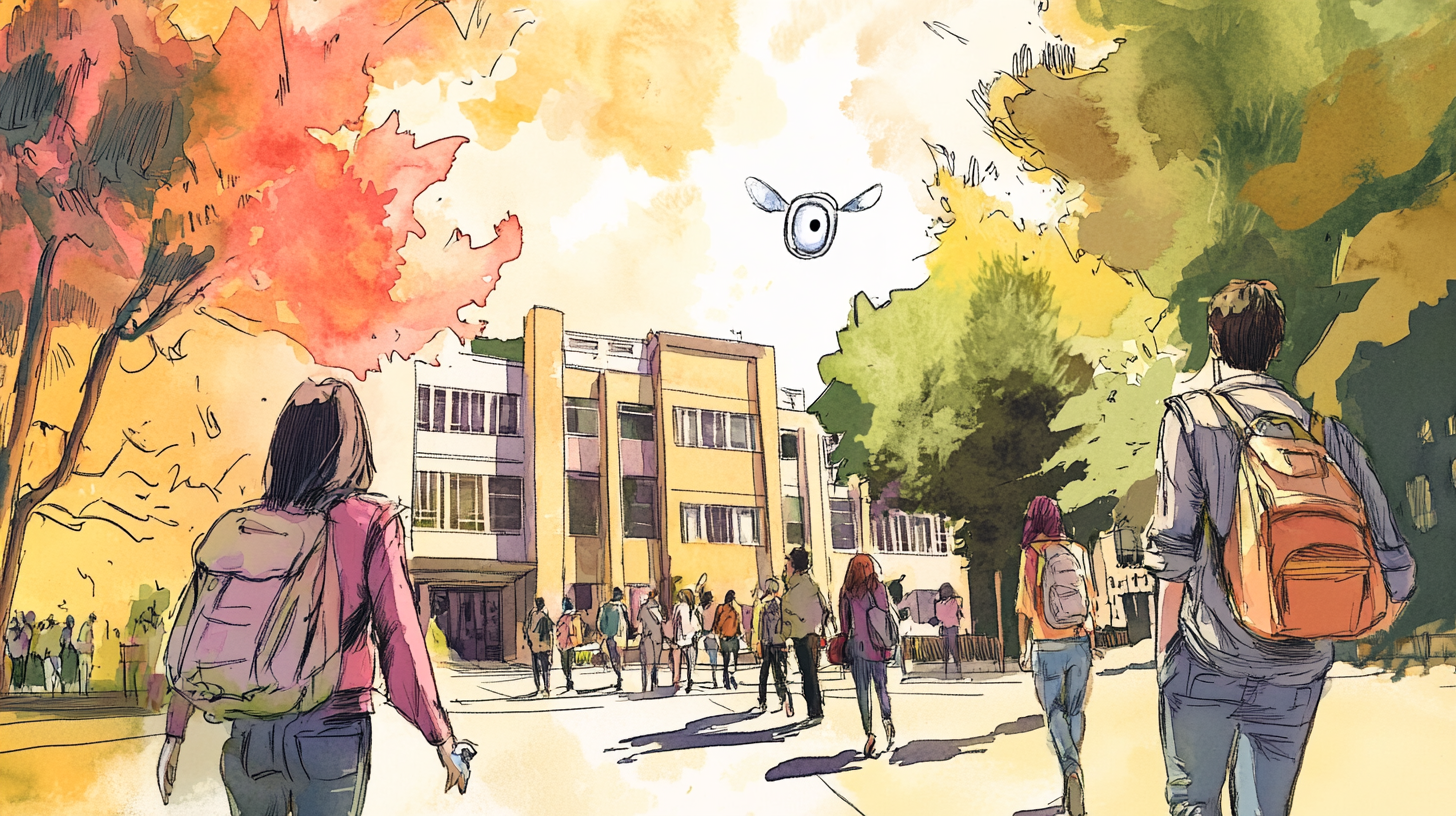
Three out of four college students face serious psychological distress today. Yet only 20% seek the help they need.

This mental health crisis on campuses makes it hard for counselors to find and support at-risk students before issues grow.
A recent survey by the American College Health Association shows that over half of students report worse mental health during college. “There are not enough tools or resources for counselors to advise those at risk before serious problems arise,” says Yusen Zhai, director of the UAB Community Counseling Clinic.
This innovative AI tool aims to change that. It provides counselors with data-driven insights while keeping the crucial human touch in mental health support.
The Growing Mental Health Crisis in Higher Education
The state of mental health on college campuses has reached critical levels. According to the American College Health Association’s Spring 2023 survey, an overwhelming 76% of undergraduate students report experiencing moderate to serious psychological distress. More alarming is that while nearly half of students rate their mental health as fair or poor, only one in five actively seeks help.

These statistics paint a clear picture: traditional methods of identifying and supporting struggling students aren’t keeping pace with the growing crisis. “Current predictive models used to find students struggling with anxiety or depression rely on information from students who have already visited a health provider,” explains Yusen Zhai, director of the UAB Community Counseling Clinic. This reactive approach often means help arrives too late.
Understanding UAB’s AI Solution
The University of Alabama at Birmingham’s innovative AI tool represents a significant shift in mental health support strategies. Unlike traditional methods that rely on self-reporting or crisis intervention, this system takes a proactive approach by analyzing existing student data to identify potential risks before they escalate.
How the AI Model Works
The system analyzes several key factors:
- Demographic information (age, biological sex, race, ethnicity)
- Academic data (major, course load)
- Environmental factors (campus belonging, financial stress)
- Disability status
- Social integration indicators
What makes this approach unique is that it requires no additional input from students, working entirely with data that universities already collect. This seamless integration helps maintain student privacy while providing valuable insights to counseling professionals.

Empowering Counselors with Data-Driven Insights
The AI tool serves as an assistant to counselors, enhancing rather than replacing human expertise. “This AI tool is meant to be an assistant rather than replacing the human counselor or health professionals,” emphasizes Zhai.
By providing data-driven insights, the system helps counselors:
- Identify at-risk students earlier
- Prioritize resource allocation
- Develop targeted intervention strategies
- Address educational inequities more effectively
Addressing Privacy and Ethical Considerations
The system’s design prioritizes student privacy and ethical considerations. By utilizing existing data rather than requiring new information collection, it maintains student confidentiality while providing valuable insights to counseling professionals.
Future Applications and Impact

The potential applications of this AI tool extend beyond college campuses. Plans are already in development to:
- Expand to High Schools
- Leverage existing school district data
- Identify early warning signs
- Support transition to college
- Address Broader Mental Health Issues
- Substance use disorders
- Suicide risk assessment
- Learning disabilities
- Enhance Support Systems
- Improve resource allocation
- Develop targeted intervention programs
- Create more inclusive support networks
Real-World Impact

Early implementation shows promising results in helping counselors identify and support students who might otherwise fall through the cracks. With 51% of students reporting worsened mental health during college, this proactive approach could make a significant difference in supporting student well-being and academic success.
Conclusion
UAB’s AI tool represents a significant advancement in addressing the campus mental health crisis. By enabling counselors to identify at-risk students proactively, this technology provides support before issues escalate—addressing a critical gap where 76% of students report psychological distress but only 20% seek help.
The tool demonstrates how technology can enhance human care rather than replace it, making mental health support more accessible and equitable. Its potential extends beyond higher education to high schools and broader mental health challenges, creating a comprehensive approach to student wellbeing.
The most effective mental health support combines human expertise with technological innovation, ensuring that fewer students face their struggles alone.
Leave a Reply